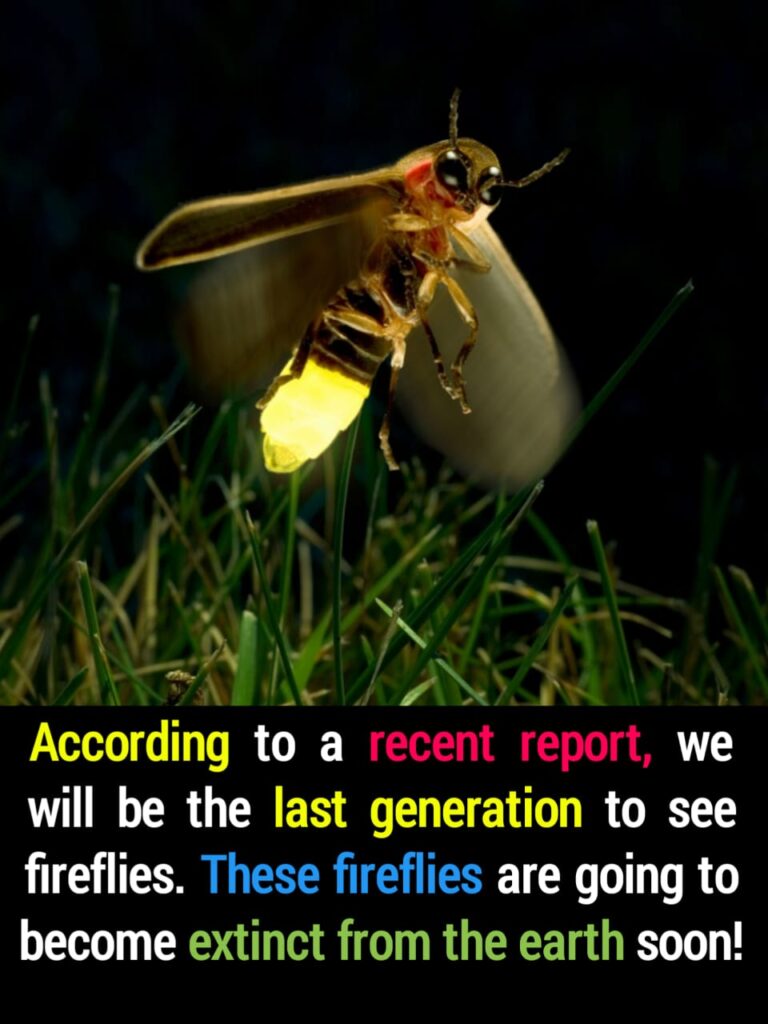
Fireflies Are Disappearing — Here’s Why That Matters
Fireflies, those magical little insects that light up the night, are slowly disappearing around the world. Scientists and researchers warn that we may be the last generation to see their glowing beauty in real life. The main reasons? Habitat loss, pollution, harmful chemicals, and climate change.
Many of us remember seeing countless them during our childhood summers. But today, spotting even a few feels rare. Experts say this is not just in our heads—firefly populations are truly declining, and it’s a serious problem.
What Makes Fireflies So Special?
Fireflies, also called lightning bugs or glowworms, belong to a group of beetles called Lampyridae. There are over 2,000 species, and many of them can glow in the dark. Their soft light, mostly seen at twilight, helps them attract mates. Some species even use their light to catch prey.
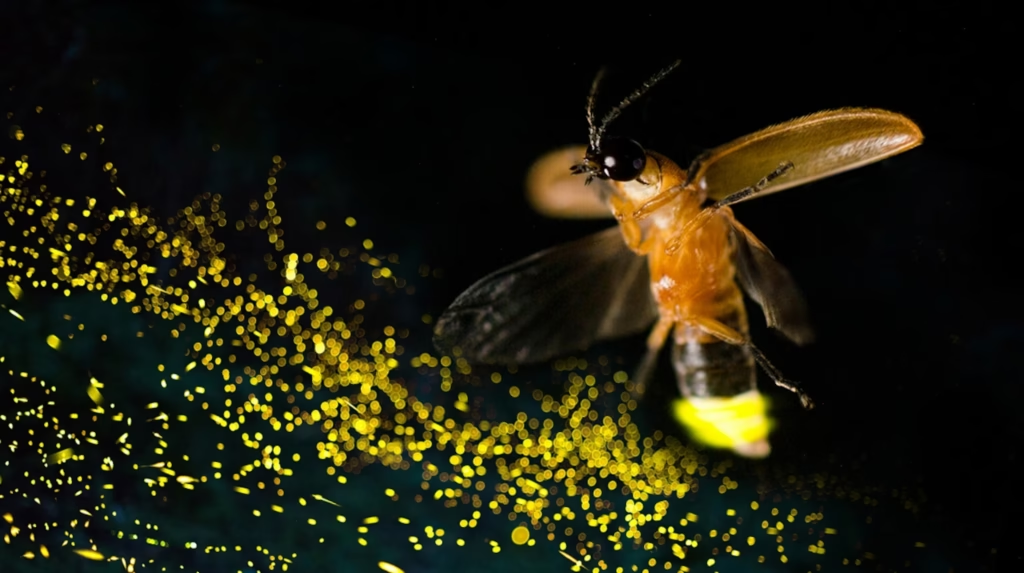
Interestingly, all firefly larvae glow, but only some adults do. In many species, only one sex lights up. This glowing ability started as a warning signal to predators, but over time, it also became useful for mating.
Fireflies have fascinated humans for centuries. In Japan, they are especially admired, and even parks are created to protect them. Their beauty has been celebrated in art and movies, like those made by Studio Ghibli. Sadly, these glowing insects are disappearing fast.
Why Are Fireflies Disappearing?
1. Loss of Natural Habitats
They love damp places like wetlands, marshes, and forests. These areas provide the right environment for their young ones, who live in soil or under leaves. But with more cities, farms, and roads being built, their homes are being destroyed. Without proper habitats, fireflies can’t survive or reproduce.
2. Too Much Artificial Light
Streetlights, car headlights, and even our porch lights can confuse them. Since they use light to find mates, these artificial lights can block their natural signals. As a result, they have difficulty mating, which leads to a decrease in their numbers in the next generation.
3. Pesticides and Chemicals
Farmers use pesticides to protect crops, but these chemicals harm fireflies too. They kill not only the insects themselves but also their food—like snails and slugs. Pesticides also pollute water and soil, thereby harming their habitats.
4. Climate Change
Changes in weather patterns are affecting fireflie life cycles. Warmer temperatures and irregular rainfall can confuse their breeding seasons or dry out their homes. These changes have made it difficult for them to survive.
Why Should We Care?
Fireflies are more than just pretty lights. They are part of a healthy ecosystem and help control pests. Their disappearance is a warning that nature is out of balance. If we lose them, other species may follow—and that includes animals and plants humans depend on.
What Can We Do to Help?
There’s still hope. Around the world, people are taking action to save fireflies:
- Restore their habitats: Protect the wetlands, forests and other natural places where they live.
- Reduce light pollution: Turn off unnecessary lights at night, especially in areas where fireflies are common.
- Use safe farming methods: Choose eco-friendly pesticides and sustainable agriculture.
- Spread awareness: Teach others about the importance of fireflies and how to protect them.
Let’s not wait until These only live in memories or songs. With the right steps, we can bring back their glowing dance to our summer nights—for ourselves and future generations.
Final Conclusion
While some reports suggest fireflies are facing population declines and potential extinction, it’s not accurate to say we’ll be the last generation to see them. Fireflies are not going extinct globally, but their numbers are dwindling, especially in human-populated areas, due to factors like habitat loss, light pollution, and pesticide use.